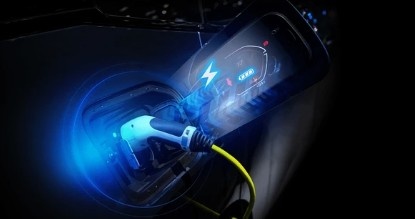
EV technology continues to experience exceptional acceleration because experts predict that EVs will make up half of all vehicles during 2035. Counterpoint Technology Market Research published data that indicates that the EV revolution progresses through growing market needs alongside governmental stimulus plans and improved battery technology development.
- The Rapid Growth of EVs
- Regional Trends in the Future of EVs
- China: Leading the EV Penetration
- India, Latin America, Japan, and Southeast Asia: Fastest Growing Markets
- Europe and South Korea: Maintaining Above-Average BEV Penetration
- The US: Protecting Domestic Automakers
- Key Challenges and Solutions in the Future of EVs
- Supply Chain Development
- Market Projections for the Future of EVs
- Government Policies and Incentives
- The Role of Battery Technology in the Future of EVs
- Conclusion
- FAQs
The increasing environmental consciousness at a worldwide scale drives countries together with car manufacturers toward developing essential infrastructure for this EV transition. The article examines important EV future developments while evaluating leadership zones and market patterns and discusses the essential sustainably-driven limitations.
The Rapid Growth of EVs
The zero-growth trends observed in the total passenger vehicle (PV) sector in 2024 do not impact the swift expansion of EVs in the market. The automobile industry witnessed increasing dominance of EVs as global sales members increased by 22% throughout the year.
The shift toward sustainable mobility continues to grow stronger as the market emits rising rates of 10% for Battery electric vehicles (BEVs) and 49% for plug-in hybrid electric vehicles (PHEVs).
Several driving elements including consumer choice of eco-friendly transportation and improving power cell technology along with environmental regulations support the electric vehicle market expansion.

Looking for high-end EVs? Here is a list of Top Most Expensive Electric Cars in India 2025.
The integration of EV production in their business frameworks becomes essential for traditional automakers who now cooperate with new solution providers developing groundbreaking EV technology.
Regional Trends in the Future of EVs
China: Leading the EV Penetration
China leads the path regarding EV developments since projections indicate that battery-electric vehicles will exceed 60% market penetration by 2035. The nation leads worldwide EV transition through its forceful promotion of EVs which benefits from supportive policies and domestic automobile production.
Chinese governmental policies include offering economic incentives together with tax breaks and expanding infrastructure to promote rapid EV penetration throughout the market. Alongside increasing their EV product lines to serve Chinese and overseas markets domestic companies BYD, NIO and Xpeng are expanding their presence.
India, Latin America, Japan, and Southeast Asia: Fastest Growing Markets
The Future of EVs achieves its fastest expansion across India together with Latin America and Southeast Asia as well as Japan.
- India: The Faster Adoption and Manufacturing of Hybrid and Electric Vehicles (FAME) scheme and the production-linked incentive (PLI) program are significant government programs that spur electric vehicle adoption in India. Leading Indian car manufacturers Tata Motors as well as Mahindra continue to build their EV offerings alongside the notable two-wheeler EV market newcomer Ola Electric.
- Japan: Japan dedicates its resources to developing hybrid electric models as well as 100% electric models because of its reputation in technological innovation. The electric vehicle research, as well as battery innovation development programs at Toyota and Honda, represent substantial company investments.
- Latin America & Southeast Asia: Despite limited EV infrastructure development governments are providing benefits and fuel price increases are creating lucrative opportunities for consumers to buy electric vehicles.
Europe and South Korea: Maintaining Above-Average BEV Penetration
European states apply new trade barriers on Chinese electric vehicles through supportive tariffs for home-produced EVs to protect their regional electric vehicle industry from an undesirable future.
Strict emission regulations from the EU together with substantial investments in EV infrastructure systems will boost EV adoption rates. Hyundai and Kia alongside other major South Korean automakers actively push for BEV adoption in their country. Through national policies, the government aims to develop domestic EV manufacturing operations that remain affordable for citizens.
The US: Protecting Domestic Automakers
US EV development follows policy strategies that keep domestic automakers safe from international competitors. South Korea plans to deny Chinese EV manufacturers market access while building up local EV companies alongside better supply-base relationships.
The three major American car manufacturers Tesla, General Motors, and Ford pursue significant investments in EV development programs to protect their industry leadership.
Key Challenges and Solutions in the Future of EVs
Profitability Challenges
Automakers are actively working to address profitability concerns by:
- Improving production efficiency
- Partnering with battery manufacturers
- Developing localized supply chains
Manufacturers establish these initiatives to decrease product prices so more customers can afford electric vehicles. The main obstacle in the way of cheaper battery production lies in its fabrication costs but the emergence of battery technology improvements alongside increased productivity is predicted to reduce these expenses.
Supply Chain Development
EVs will largely depend on the creation and maintenance of a reliable local supply chain network for their future development. The automotive industry invests in battery production units alongside strategic partnerships aiming for continuous access to essential components for EV manufacturing.
Manufacturers conduct research into using substitute materials such as lithium alongside nickel and cobalt to create environmentally friendly electric battery production methods.
Market Projections for the Future of EVs
The Counterpoint Research report forecasts that the world’s passenger vehicle market will grow at a 2% annual rate from 2030 until 2035 after reaching a 3% annual growth rate from 2025 to 2030. Industry analysts forecast PV sales to reach 105 million units by 2035 as the Future of EV products will secure roughly half of this market.
BEVs spent a notable 16% of the market share by 2025 thereby demonstrating the quick progression of EV technology. Auto manufacturers are intensifying their work towards making electric vehicles more accessible and affordable because the industry needs an easy transition into electricity-powered vehicles.
Government Policies and Incentives
The development of EVs depends heavily on worldwide government support through policies and incentives to enhance adoption rates. Some of these measures include:
- Subsidies & Tax Breaks: The government provides financial assistance that lowers EV prices for consumer-buying consideration.
- Charging Infrastructure Development: Collaborative investment by governments into establishing a countrywide charging infrastructure will decrease EV range constraints.
- Mandating Emission Norms: Automakers need to change to EV production through the implementation of strict emission rules.
The Role of Battery Technology in the Future of EVs
The development of better battery technology stands as the most crucial element for EV success in the future. Research and development in the following areas are making EVs more practical and appealing to consumers:
- Solid-State Batteries: Promising higher energy density, faster charging, and increased lifespan.
- Fast-Charging Solutions: Reducing the time required to charge EVs, making them more convenient.
- Recycling & Sustainability: Developing better recycling methods to manage battery waste efficiently.
Conclusion
Electric vehicles will experience significant exponential growth until 2035 when half of all cars on the road will have an electric design. India along with Latin America and Japan together with Southeast Asia will adopt EVs at the fastest rate yet China will maintain its position as the leader in BEV penetration.
Automakers currently pursue supply chain improvement and profitability advancement while battery technology improvement strengthens the Future of EVs in india. The world adopts a more sustainable electric future because governments support EV adoption and citizens grow increasingly aware of EV benefits.
For more information on future of EVs , visit here.
Disclaimer
Educational purposes underlie the content of this article yet the material does not present financial or investment guidance. Research-based investment decisions regarding the EV industry need to be made by readers after they complete their independent investigation.
FAQs
1. Why is the adoption of EVs increasing?
The acceptance of EVs grows because people are concerned about the environment and governments give incentives while the batteries improve and more places have charging facilities.
2. What are the major challenges for EV adoption?
The adoption of EVs faces primary hurdles because of their expensive batteries together with power charging system constraints and users’ apprehension about travelling distance and requirements for robust raw material infrastructure.
3. How will EV adoption impact the global economy?
The adoption of electric vehicles decreases reliance on fossil fuels supports both the formation of new renewable energy and battery positions and helps cut down worldwide carbon emissions.
4. What are solid-state batteries, and why are they important?
The replacement of lithium-ion battery liquid electrolytes with solid electrolytes in solid-state batteries leads to improved energy density enhanced charging capabilities and extended operational life.