Introduction
2026 will be a defining year for electric SUVs in India. It heralds the era when long-range EVs, global platforms, and futuristic features have become the norm, pushing the Indian market into its most exciting phase of electric mobility yet.
- Major brands such as Tata, Mahindra, Kia, and Hyundai will introduce next-generation electric SUVs with improved battery efficiency, advanced driver-assistance systems, premium interiors, and competitive pricing to facilitate mass-market adoption.
- These launches signal a move toward mature EV ecosystems: better charging infrastructure, faster chargers, and aggressive localization strategies to lower prices.
- A look ahead at the Top 4 arrivals of 2026: Tata Sierra EV, Kia Syros EV, Mahindra BE.7, and Hyundai Ioniq 3, each with its different design direction, technology package, and performance advantage that will rewrite the Indian EV SUV landscape.
Tata Sierra EV
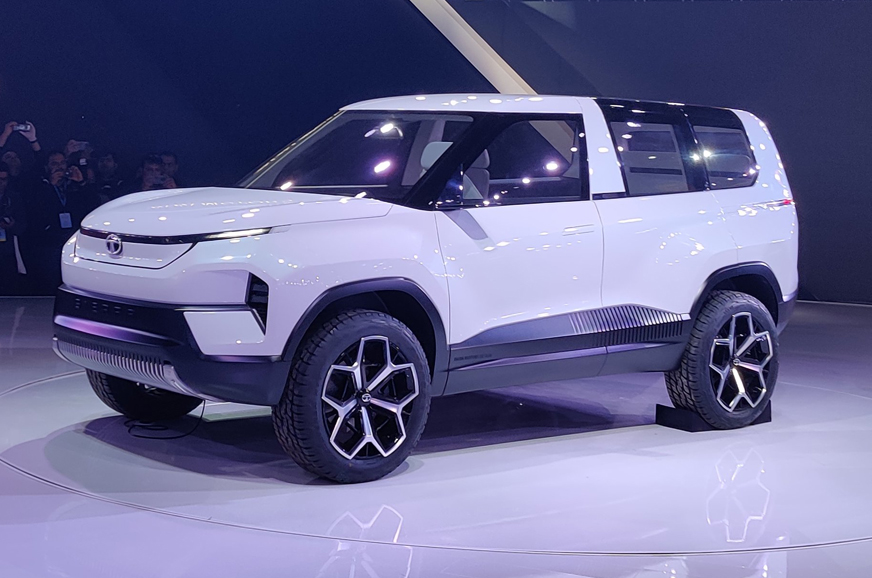
Tata Sierra EV brings back one of India’s most iconic SUVs in a modern, fully electric avatar. It carries forward the emotional legacy of the original Sierra while transforming it into a future-ready premium SUV built for both city comfort and outdoor exploration.
- Modern reinterpretation of the iconic Sierra nameplate with a sleek, futuristic exterior and signature glasshouse styling.
- Positioned as a premium electric SUV, ideal for urban commuters and adventure-driven buyers desiring performance, space, and modern technology.
Key Findings
With the expected blend of range, design innovation, and performance, Sierra EV is bound to be one of the most anticipated electric SUVs for the 2026 model year.
- Anticipated range: 450–550 km with a single charge, perfect for long-distance travel.
- Born-EV design language with a panoramic glass area that improves visibility and gives a unique Sierra identity
- Premium cabin with a digital cockpit featuring large screens, minimalist interiors, and connected-car tech.
- AWD and fast-charging capability expected for performance enthusiasts and quick long-distance usability
Expected Launch & Price
- Launch: Early–Mid 2026, alongside the rollout of Tata’s expanded EV lineup
- Price: ₹22–28 lakh (expected), thus positioning the offering as a premium yet competitive one in the emerging electric SUV segment.
 Kia Syros EV
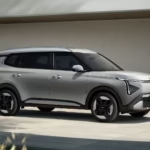
The Kia Syros EV is all set to enter India as a brand-new compact electric SUV created for the mass-premium segment. With Kia’s strong design identity and a focus on advanced technology, the Syros EV is sure to attract buyers in this urban class with its style, efficiency, and modern connectivity.
- Brand-new compact electric SUV for India, positioned between the EV6-inspired premium styling and mainstream affordability.
- Built on Kia’s dedicated EV platform, ensuring better space optimization, efficiency, and driving dynamics.
Key Highlights
The Syros EV comes packed with an incredible combination of range, features, and technology, making it one of the strongest competitors in the upcoming wave of electric SUVs.
- Range: 400–500 km, suitable for urban travel as well as weekend highway drives.
- Sporty design, including signature Kia LED styling, sharp DRLs, and a futuristic aerodynamic profile.
- AI-powered Infotainment + ADAS Level 2 provides enhanced safety, intelligent assistance, and seamless connectivity.
- Competitive positioning against Tata and Hyundai for buyers wanting premium features at a smart price.
Expected Launch & Price
The Syros EV is expected to strengthen Kia’s foothold in the Indian EV market, thanks to an attractive price-to-feature balance.
- Launch: Mid–Late 2026, aligning with Kia’s EV expansion strategy in India.
- Price: ₹20–25 lakh (expected), making this one of the most value-driven EV SUVs in its segment.
Mahindra BE.7
The Mahindra BE.7 is the big highlight of Mahindra’s all-new Born Electric (BE) portfolio, designed to appeal to families who need space, futuristic styling, and long-range capability. Positioned as a premium, tech-focused electric SUV, it promises strong performance and a bold road presence.
- Part of Mahindra’s Born Electric (BE) lineup, showing off the brand’s next-generation EV design language and technology.
- Large, family-oriented electric SUV: space to seat, practical use, comfort for long journeys.
Key Highlights
- The BE.7 is built on Mahindra’s advanced INGLO platform for performance, range, and a futuristic User Interface.
- The INGLO platform, with a battery capacity of 60–80 kWh, offers high efficiency and flexible configurations.
- Range: over 500+ km, making it one of the longest-range EVs expected in its category.
- The futuristic interior features a large display setup with panoramic screens, a minimalist dashboard, and smart connectivity.
- AWD performance variant expected, delivering strong acceleration and all-terrain capability
Launch & Price Expected
- The Mahindra BE.7 will be one of the key players in India’s premium EV SUV market in 2026.
- Launch: 2026, as part of Mahindra’s phased Born Electric rollout
- Price: ₹28–35 lakh (expected), placing it above compact EV SUVs and rivalling premium mid-size electric models.
Hyundai Ioniq 3 (or Hyundai Creta EV If You Prefer)
The Hyundai Ioniq 3, or the India-focused Creta EV, fits well into this growing segment: a compact electric SUV targeted at people who want to strike a balance between efficiency, comfort, and premium features. It brings Hyundai’s global EV expertise into an Indian-friendly package with practical range and modern technology.
- Hyundai’s global compact electric SUV is adapted for India, marrying proven international design with local market requirements.
- Designed to be efficient while offering premium features, it is very well suited for daily commuters seeking refinement and reliability.
Salient Features
- This EV is expected to deliver reliable performance and intelligent features suitable for city use and light highway cruising.
- Range: 350–450 km, sufficient to cover the average daily use and weekend getaways.
- Clean aerodynamic profile that enhances efficiency and gives the SUV a sleek, futuristic look.
- Advanced safety+ innovative features, including connected tech, ADAS, and Hyundai’s renowned reliability
- Ideal for city + occasional highway drives: it strikes a perfect balance between performance and practicality.
Expected Launch & Price
- Hyundai would like to position this EV as one of the most accessible yet premium compact electric SUV options.
- Launch: Late 2026, coinciding with Hyundai’s expanding EV lineup in India
- Price: ₹18–23 lakh (expected), making it a strong competitor in the mass electric SUV market
Comparison Table
| Model | Expected Range | Platform | Launch Year | Expected Price |
| Tata Sierra EV | 450–550 km | Born-EV | 2026 | ₹22–28 L |
| Kia Syros EV | 400–500 km | Dedicated Kia EV | 2026 | ₹20–25 L |
| Mahindra BE.7 | 500+ km | INGLO | 2026 | ₹28–35 L |
| Hyundai Ioniq 3 / Creta EV | 350–450 km | Hyundai EV | 2026 | ₹18–23 L |
Conclusion
2026 will unlock a new wave of long-range, tech-heavy electric SUVs in India, marking a profound shift towards mainstream EV adoption. With brands such as Tata, Kia, Mahindra, and Hyundai gearing up for aggressive launches, the competition is set to heat up, benefiting buyers.
While Tata, Kia, Mahindra, and Hyundai are all preparing advanced, feature-rich models for the fast-growing EV market, demand for efficient, premium, and future-ready mobility solutions is rising.
The buyers can look forward to better pricing, improved features, stronger performance, and a significantly enhanced charging infrastructure, which makes 2026 one of the most exciting years for electric SUVs in India.
FAQs
- Which electric SUVs are expected to launch in India in 2026?
These are the major upcoming models: Tata Sierra EV, Kia Syros EV, Mahindra BE.7, and Hyundai Ioniq 3/Creta EV.
- What will the expected price range be for these 2026 electric SUVs?
These electric SUVs are likely to be priced between ₹20 lac and ₹40 lac, depending on the brand, battery size, and features.
- Which model is expected to offer the highest range?
The Mahindra BE.7 is expected to offer 500+ km and thus might also be the segment’s long-range leader.
- Will these EVs support fast charging?
Yes. All four SUVs will have support for DC fast charging, with faster 10–80% charging times than today’s models.
- Are these EVs suitable for long-distance travelling?
Yes, with ranges of 350–550 km and improved charging infrastructure, these EVs will be practical for both city use and long highway trips.
- Which of the 2026 launches will be the cheapest EV?
The most affordable option will be the Hyundai Ioniq 3/Creta EV, which could start at around ₹18–23 lakh.