Introduction
The Honda QC1 is Honda’s new foray into ultracompact electric mobility, aimed particularly at today’s city riders seeking a simple, efficient, and highly maneuverable EV. Based on tried-and-tested electric platforms from Honda and powered by their innovative Mobile Power Pack battery systems, this QC1 seeks to reinvent daily commutes with a minimalist design, ease of use, and a strong focus on affordability. With growing urban traffic and rising fuel prices, Honda demonstrates the practicality of the QC1 while remaining eco-friendly, aligning perfectly with its long-term roadmap for global EVs.
Brief Overview of Honda QC1
- The compact EV for next-gen city commuters, designed for short-distance transportation, passing through dense traffic, and easy, everyday use in a snap.
- Ultra-light and portable design: The compact size of QC1 enables riders to zip through tight lanes, park anywhere, and handle the scooter with minimum physical effort.
- Dependable engineering from Honda: the scooter carries the brand’s signature reliability, complemented by the advanced Mobile Power Pack e: battery system for uninterrupted use.
- Minimalist yet functional styling: Clean LED lighting, simple controls
- Objective: Lightweight Mobility, Smart Technology, and Low Running Cost
Lightweight mobility:
- Optimized for daily travel of 5–15 km.
- Easy handling short-hop riders.
- Ideal for heavily congested metro areas where bigger scooters are awkwardly large.
Smart tech integration:
- LED Display showing battery, speed, and key ride statistics.
- Some possible IoT features for fleets are: tracking, remote lock, and diagnostics.
- Efficient motor tuned for smooth, quiet acceleration in city traffic.
Low cost of running and ownership:
- It eliminates downtime and reduces long-term maintenance costs.
- Energy consumption is low because of the vehicle’s lightweight frame and efficient powertrain.
- Minimum service requirements as compared to the scooters running on petrol.
Place of Honda in Global EV Strategy
- Part of Honda’s micro-mobility expansion, the QC1 cements the company’s standing in the emergent class of ultra-compact EVs oriented towards Asian and European cities.
- Fulfills Honda’s vision for the battery ecosystem: uses the standardized Mobile Power Pack e, which Honda seeks to spread across a range of EVs, bikes, and energy storage solutions.
- Supports Honda’s carbon-neutral roadmap for 2050: QC1 contributes to Honda’s roadmap to make electric two-wheelers more accessible and scalable worldwide.
- Strategic product for urban markets: Catering to regions where traffic congestion, fuel costs, and demands for last-mile delivery are growing rapidly.
Smart, Compact Design
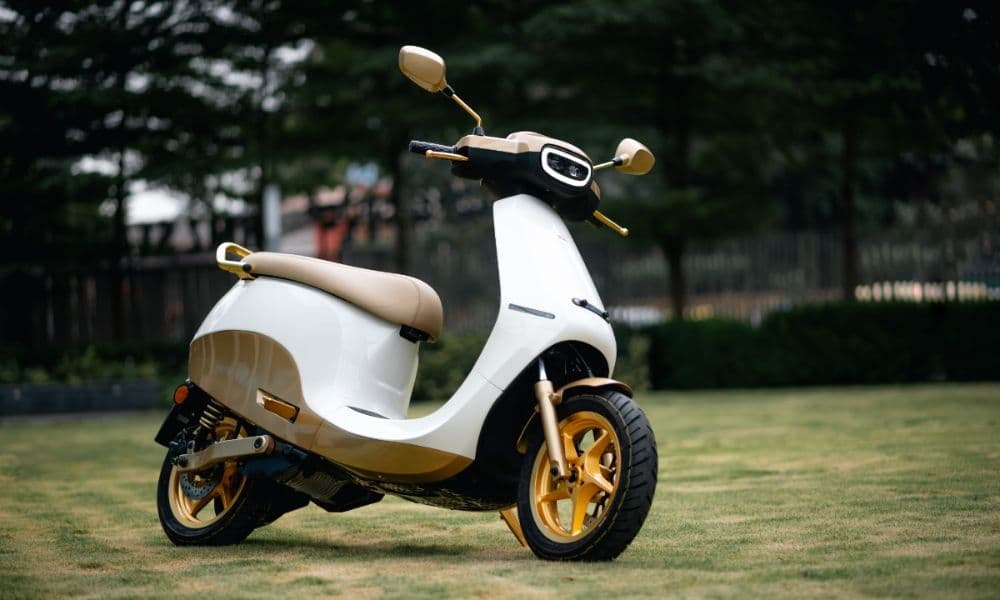
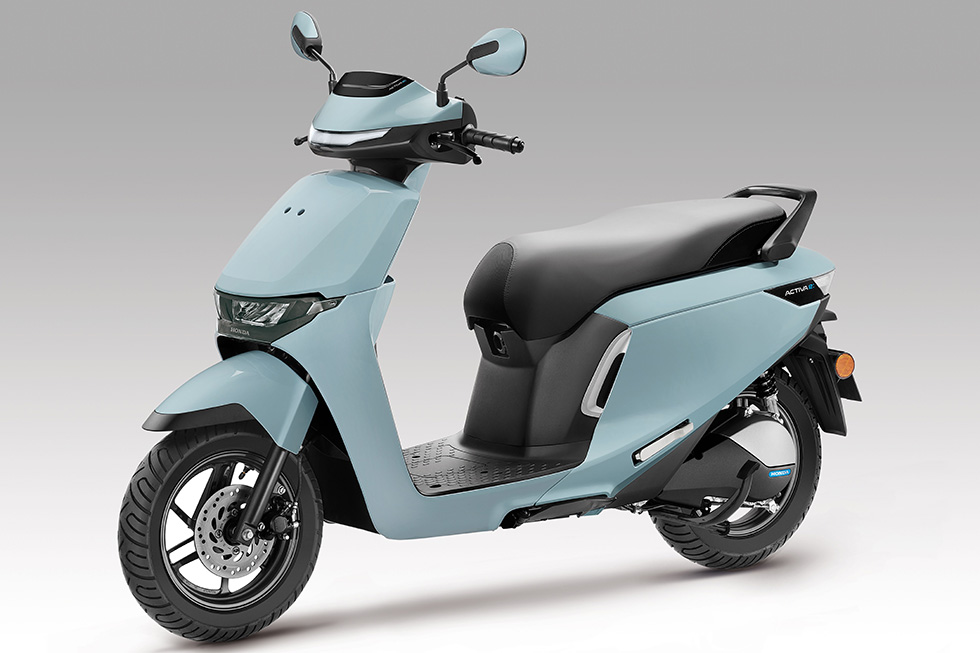
The Honda QC1 has been engineered with a clear purpose: to excel in tight, congested city environments where agility and convenience matter most. Its compact proportions, lightweight frame, and rider-friendly layout make it an ideal everyday companion for short rides, quick errands, and dense traffic zones. Every element, from ergonomics to storage to styling, has been crafted to balance maximum practicality with modern aesthetics.
- Form Factor Built for Cities
Ultra-compact dimensions to comply with narrow streets and heavy traffic.
- City-optimized size: Extremely compact footprint, able to move with ease through busy roads and crowded lanes.
- Ideal for short-distance commutes, as these bicycles are built to handle frequent, stop-and-go riding conditions with ease.
- Presence by saving space: A smaller body makes storage easier in apartments, parking lots, and tight roadside spaces.
Lightweight design for easy handling, easy parking, and last-mile mobility
- Ultra-light chassis: Easily lifted, moved, or parked by anyone, whether a novice or an experienced rider.
- Low-speed balance effortlessly: Useful while performing U-turns, negotiating narrow gaps, or wading through congested traffic.
- Ideal for last-mile travel: Minimum weight improves the range efficiency and minimizes rider fatigue.
- Practical Everyday Usability
Honda has designed the QC1 to be as convenient and user-friendly as possible for daily riders. Its step-through frame makes mounting and dismounting smooth, especially in stop-and-go city situations. Intuitive controls and supportive ergonomics make it a stress-free riding experience for both beginners and experienced commuters.
Ease in step-through design.
- Comfortable access: Riders can get on and off the scooter quickly, even while carrying bags.
- Ideal for frequent stops: Perfect for delivery riders and city dwellers with multiple errands.
- Inclusive ergonomics: ideal for shorter riders, seniors, and first-time EV users.
Simple controls, rider-friendly ergonomics, and low seat height
- User-friendly control layout: Easy-to-use switches and a digital console minimize the learning curve.
- Comfortable seating position: Natural posture supports longer rides around the city, reducing fatigue.
- Low seat height: Ensures stable footing at red lights and crowded junctions.
Ample boot/utility hooks for daily errands
- Practical storage options: Utility hooks for bags, groceries, or laptop backpacks.
- Under-seat/side storage (depending on variant): Ideal for running small errands or light deliveries.
- Optimized for the urban lifestyle, allowing riders to tackle daily tasks with no need for further accessories.
- Modern Styling
The Honda QC1 wears a distinctively modern, minimalistic aesthetic that suits urban living. Clean lines, subtle curves, and well-integrated components yield a premium feel from this electric drive, without departing from the simplicity expected of a practical city EV.
Clean, minimalist bodywork:
- Sleek vertical surfaces: They contribute to a neat, uncluttered appearance.
- Practical yet stylish: Each panel is designed with durability and easy maintenance in mind.
- Urban-friendly looks: perfect for young professionals and eco-conscious urban users.
LED lighting; Incorporated indicators; High-grade fit-finish
- Better visibility, low power consumption, and long life. Integrated indicators: Give the scooter that modern, integrated design language.
- Materials: Narrow gaps between panels and rich textures showcase Honda’s premium building and manufacturing criteria.
Efficient Battery and Powertrain
The Honda QC1 features a thoughtfully engineered powertrain and battery system for city convenience and efficiency. Honda’s Mobile Power Pack e delivers a swappable, dependable, and long-lasting energy source, while the scooter’s electric motor delivers smooth, quiet, and responsive performance in stop-and-go traffic. They work together to ensure riders enjoy seamless urban mobility with minimal hassle and maximum efficiency.
- Honda’s Mobile Power Pack e:
Swappable battery technology for uninterrupted rides
- QuickSwap design: Riders can replace the battery in seconds at home or at Honda swap stations.
- No downtime: It keeps the daily commuting and delivery schedules on track without waiting for recharging.
- Flexible Energy Management: Multiple batteries per rider or per fleet enable extended travel.
Constructed to ensure safety, durability, and a long life cycle.
- Solid construction: shock, vibration, and daily wear and tear resistant.
- Advanced safety features such as: Overcharge protection, high-temperature protection, and short-circuit protection.
- Long service life: designed to maintain performance over thousands of charge cycles.
- Applied Range
The range of the Honda QC1 has been optimized for short-distance, urban commuting. Efficient motor, light frame, and Honda’s battery technology provide enough energy to comfortably cover daily city trips without frequent charging breaks.
Expected 40-60 km per charge, depending on usage:
- Perfect for running daily errands: it covers several trips, office commutes, and school runs with a single charge.
- Range varies by load and traffic: Rider weight, speed, and frequent stops can affect total distance.
- Sufficient for most urban journeys: It eliminates range anxiety for short-city-hop riders.
Emphasize Energy Efficiency in Urban Stop-Go Conditions
- Optimized motor tuning: decreases energy wastage at frequent starts and stops.
- Regenerative Braking (if equipped): This captures energy to prolong battery life.
- Lightweight design synergy: Less weight decreases energy consumption per kilometre.
- Easy Charging
Honda QC1 offers versatile solutions that cater to both individual and fleet needs. Riders can easily charge at home, swap batteries at designated stations, or use Honda’s fast modular system to minimize downtime, making it quite practical for city life.
Home charging + quick swap at designated Honda stations
- Plug and Play: Home Charging-easy to use for overnight apartment and house charging.
- Swap stations for on-the-go: Instantly replace depleted batteries at nearby Honda hubs.
- Reduced dependency on public charging, thereby making EVs more accessible and easier to adopt by city riders.
Fast, modular system fitting for fleets and personal users.
- Fleet-friendly: Keeps delivery companies up and running.
- Modular battery packs: Depending on the application, energy storage can be scaled up by simply adding several units.
- Fast Energy Replenishment: Swapping or charging is completed much more quickly than traditional EV charging.
- Smooth Performance
The QC1 guarantees a sophisticated riding experience by mellowing down its operation and balancing it with the right amount of acceleration. In urban environments, its motor is tuned for smooth starts, controlled top speeds, and a stress-free commute through congested traffic.
Quiet Motor: Refined city riding
- Low-noise operation: Suitable for residential areas and early-morning commutes.
- Minimum vibration: It increases comfort on bumpy city roads.
- Discreet urban presence: It does not have an engine roar, making it suitable for sensitive noise areas.
- Balanced acceleration when starting the traffic, but with a limited top speed for safety in mind.
- Responsive low-speed performance: Smooth take-off at junctions and traffic signals.
- Safe top speed: Maintains control in urban traffic while preventing overspeeding.
- Predictable handling: Supports confidence in congested streets and tight lanes.
Urban Mobility Advantages
The Honda QC1 is more than just a compact electric scooter; it is designed to further improve urban mobility. From its battery design and efficiency to its ease of use, this electric scooter is ideal for city commuters, eco-conscious riders, and fleet operators alike. It tackles daily errands, short-distance deliveries, or whatever city transport throws its way with practicality, sustainability, and cost-effectiveness combined.
Built for 5–15 km short commutes:
- Optimized for city rides, ideal for office commutes, school runs, and neighbourhood errands.
- Efficient stop-and-go performance: Motor and battery tuned for frequent starts and short trips.
- Reduces dependence on larger vehicles: Complements the trend toward compact, convenient city travel.
Compact dimensions make urban driving easy:
- Easily navigates through traffic; slim profile helps in tight lanes and heavy congestion.
- Makes parking easier, as it can fit into narrow parking spots or shared areas.
- Improves overall commuting efficiency by saving time and energy on short-distance urban trips.
- Ultra-low running costs
A Honda QC1 makes economic sense for city riders. Its electric drivetrain and the swapping system reduce recurring fuel and maintenance costs to an absolute minimum, making it quite an affordable daily mobility solution.
Very Low Maintenance
- Fewer moving parts than with petrol scooters; less wear and tear, fewer repairs.
- No oil changes or exhaust maintenance: Reduces service frequency and cost.
- Long-life components: Designed for reliability in high-stop urban usage.
Battery swapping reduces downtime:
- Instant energy refill: Replace a drained battery in a few minutes instead of waiting for a recharge.
- Daily continuous use is especially useful for commuters and delivery operators.
- Scalable for multiple batteries: The user or fleet can keep several packs to maintain seamless operation.
- Eco-Friendly Movement
The QC1 is more than convenient-it’s also environmentally responsible. With zero tailpipe emissions and energy-efficient performance, it represents a step toward a greener city and more sustainable transport practices.
Zero tailpipe emissions
- Cleaner air in cities: No fumes result in less pollution in heavily populated cities.
- Meets local EV incentives: Supports government initiatives for electric mobility.
- Quiet operation: Helps reduce noise pollution in residential areas.
Supports sustainable urban transport
- Encourages the adoption of EVs, thereby helping to shift from petrol-powered two-wheelers.
- Energy-Efficient Design: The lightweight frame and optimized motor reduce power consumption.
- Integration with battery swap ecosystem: enables extensive, practical applications of clean energy in cities.
- Ideal for Delivery & Fleet Use
The Honda QC1 will be ideal for delivery and fleet usage. With a lightweight design and a swappable battery system, reliability is complemented by cost-effectiveness, meeting the needs of businesses with high uptime and operational efficiency requirements.
Battery swap advantage: high uptime
- Quick replacement for continuous operation: Perfect for running several shifts or high-demand routes.
- Reduces idle time: It keeps the fleet productive throughout the day.
- Simplifies logistics: Centralized battery swap stations enable fleet scaling.
Lightweight = low power:
- Lower energy consumption per kilometer than heavier scooters.
- Easy to handle for multiple riders: less fatigue during delivery rounds.
- Cost-effective to operate: Lower energy consumption means lower electricity bills.
Tech & Features
The Honda QC1 is equipped with all the technology and safety features modern urban riders require. This digital console, with optional connectivity and smart security systems, will make their commutes more convenient and safe, while its robust construction ensures every ride is reassuringly reliable.
Basic Digital Console with Speed / Battery Information
- Digital Display: Displays current speed, battery percentage, and range estimation.
- Ride mode indicators: Provide indications for eco or standard modes (if available) for power consumption.
- Intuitive layout, simple: The first-time EV user can quickly grasp at a glance.
Connectivity options (if applicable)
- Bluetooth or app integration allows the tracking of battery status, ride statistics, and maintenance alerts directly to a user’s smartphone.
- Compatibility with fleet management is beneficial for operators of delivery services and shared mobility platforms.
- Remote diagnostics enable troubleshooting or performance monitoring without physically visiting service centers.
Smart locking/ IoT features depending on the market variant:
- Keyless start/smart lock: Further enhancing convenience and security.
- Anti-theft alarms: App or scooter console notifications in case of unauthorized movement.
- Integration with the Honda ecosystem: Could support battery swap tracking and location services.
Safety: CBS/Combined Braking, Strong Chassis
- Combined Braking System: Guarantees a balanced stopping power for safer rides.
- Regenerative braking, if so equipped, improves battery efficiency while providing smooth deceleration.
- Robust frame: Light, powerful chassis capable of withstanding daily use in an urban environment.
- More confident riding: with stable handling even on uneven city roads.
Market Positioning & Competition
The Honda QC1 will arrive in the Indian market as micro-mobility is developing rapidly, driven by congestion in cities, rising fuel prices, and growing interest in sustainable transport. As a compact, affordable, and highly reliable electric scooter, the QC1 is sure to find buyers among personal commuters and small fleet operators seeking convenience, low operational costs, and smooth battery management. By merging Honda’s brand trust with an innovative battery-swapping system, the scooter has several competitive advantages in a crowded urban EV space.
Overview of how QC1 fits into India’s growing micro-mobility segment:
- Targeted at short-distance urban commuters, ideal for students, office-goers, and people living in cities who travel 5–15 km daily.
- Addresses urban congestion through compact size and maneuverability, making it suitable for dense traffic and narrow streets.
- Supports last-mile connectivity: Complements public transport networks and reduces dependence on petrol scooters.
- Affordable pricing: positioned to be a practical entry-level EV for the more budget-conscious buyers.
Rivals: Hero Electric AE-8 type offerings, Yulu fleets, entry-level EV scooters-incoming.
- Hero Electric AE-8 & similar models: Comparable range and city-focused features, targeting personal commuters.
- Yulu: Catering to shared mobility fleets; emphasis on lightweight, eco-friendly last-mile mobility.
- Other entry-level EV scooters compete on the same price, basic technology, and urban usability.
- Market differentiation challenge: QC1 needs unique selling points in a segment that is constantly growing.
Honda’s edge: brand trust + battery-swapping ecosystem
- Established brand reliability: Honda is known for rugged, low-maintenance two-wheelers across India.
- Battery-swapping ecosystem: this enables quick energy replenishment, high uptime, and flexibility of use for both personal and fleet riders.
- After-sales: Convenient and extensive Honda service network for long-term ownership confidence.
- Scalable EV Strategy: The effort is part of Honda’s broader initiative to expand electric mobility solutions, leveraging the existing infrastructure and technology.
Who Should Buy the Honda QC1?
The Honda QC1 is designed to meet the needs of urban riders for convenience, efficiency, and economic use. oCompact, lightweight, and easy to use, it’s ideal for anyone on city streets: daily commuters, couriers, and those with regular errands. This scooter appeals to a broad audience seeking a functional, eco-friendly alternative to conventional petrol scooters.
Students, office commuters, delivery riders
Students:
- Easy to park near colleges or hostels.
- Low running costs make for tight budget management.
- Compact design allows for easy maneuverability through congested areas.
Office commuters:
- Reliable for daily journeys of 5–15 kilometres.
- Smooth, quiet performance for early-morning or evening rides.
- Quick battery swap or home charging minimizes downtime.
Delivery riders:
- High uptime thanks to the swappable battery system.
- Lightweight frames reduce fatigue during longer shifts.
- An efficient motor assists in stop-and-go traffic for deliveries.
People who require a compact, inexpensive, and easy-to-handle EV.
- Beginner-friendly: low seat height and intuitive controls make it easy for first-time riders.
- Cost-effective ownership: Minimum maintenance and low energy consumption reduce ownership costs.
- Urban mobility solution: Compact size allows for hassle-free city navigation and parking.
- Eco-conscious choice: Zero-emission travel through cities, ideal for the more environmentally conscious.
Conclusion
The Honda QC1 is a game-changer in urban mobility, merging smart design with an efficient, swappable battery and trusted reliability courtesy of Honda. Its compact dimensions, user-friendly features, and low running costs make it an ideal choice for city riders, students, office commuters, and delivery professionals alike. With a focus on convenience, affordability, and sustainability, the QC1 represents a future-ready micro EV that not only addresses the practical needs of daily commuting but also contributes to cleaner, greener urban transport.
FAQs
Q1. What is the range for Honda QC1?
The real-world range of the Honda QC1 is expected to be between 40 and 60 km per charge, depending on riding conditions, load, and traffic. It was optimized for short urban trips and daily commutes.
Q2. Does Honda QC1 support battery swapping?
Yes, the QC1 uses Honda’s Mobile Power Pack e: swappable battery system, enabling riders to quickly swap out a dead battery pack at home or any one of the designated Honda swap stations, ensuring nonstop urban mobility.
Q3. Is the Honda QC1 suitable for use in daily city commutes?
Absolutely, the compact size, lightweight frame, smooth motor, and energy-efficient battery make the bike ideal for commutes of 5–15 km, navigating dense city traffic, and running daily errands.
Q4. How much is the Honda QC1 likely to cost?
Although Honda has not announced the price, the QC1 is supposed to be pretty affordable and position itself in the entry-level electric scooter market. Students, office commuters, and urban delivery riders could access it.
Q5. When will Honda QC1 launch in India?
The Honda QC1 is expected to be launched in India by 2025–2026, with initial availability in urban areas where demand for micro-mobility EVs is highest.